
Starting a podcast can be an exciting endeavor that allows you to share your ideas, engage with an audience, and explore your passions. To help you get started on your podcasting journey, here are 10 essential steps to begin a podcast:
Define Your Podcast Concept: Start by identifying the main theme or topic of your podcast. Consider your interests, expertise, and what you want to share with your audience. Narrow down your focus to create a unique and compelling concept for your show.
Plan Your Episodes: Outline the structure and format of your episodes. Decide if you'll have solo episodes, interviews, storytelling, or a combination of different styles. Consider the length of each episode and how frequently you plan to release new content.
Choose a Name: Select a catchy and memorable name for your podcast that reflects its content and resonates with your target audience. Make sure the name is not already in use and check for domain availability if you plan to create a website for your podcast.
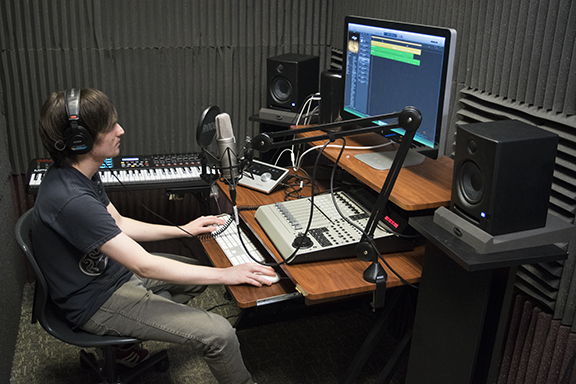
Gather Equipment: Invest in basic podcasting equipment such as a good-quality microphone, headphones, and a pop filter. Consider using a digital audio workstation (DAW) for recording and editing your episodes.
Create Introductory Music and Artwork: Design a podcast logo or cover art that represents your brand. Additionally, consider creating an intro jingle or music snippet that reflects the tone and style of your podcast.
Choose a Hosting Platform: Select a podcast hosting platform that will store and distribute your episodes to various podcast directories. Popular options include Libsyn, Podbean, and Anchor. Ensure your hosting platform provides sufficient storage and analytics features.
Record and Edit Episodes: Set up a quiet recording space and start recording your episodes. Use your chosen DAW to edit the audio, removing any mistakes or background noise. Enhance the sound quality by adding intro music, transitions, and sound effects if desired.
Write Show Notes: Prepare detailed show notes for each episode. Include a summary, key talking points, guest information (if applicable), and any relevant links or resources. Show notes help listeners navigate your content and provide valuable information beyond the audio itself.
Submit to Podcast Directories: Once you've uploaded your episodes to your hosting platform, submit your podcast to major directories like Apple Podcasts, Spotify, Google Podcasts, and Stitcher. These directories make your podcast easily discoverable by a wide audience.
Promote Your Podcast: Develop a marketing strategy to promote your podcast. Leverage social media platforms, create a website, engage with your audience through email newsletters, collaborate with other podcasters, and seek opportunities for guest appearances on other shows.
Remember, consistency and quality are key factors in building a successful podcast. Stay dedicated to your content schedule, engage with your listeners, and continuously seek feedback to improve your show. Starting a podcast may require time and effort, but with passion and perseverance, it can become a rewarding platform to share your voice and connect with a global audience.


No comments:
Post a Comment